
As a fellow in the program, I not only further developed and promoted my research, but also gained an invaluable network of supportive colleagues who are dedicated to supporting the humanities.
Janira Teague
HBCU Scholar Fellows
Current Fellows

Dr. Kendra Anthony earned a Bachelor of Fine Arts in Theatre Performance and a Bachelor of Arts in Psychology at the University of North Carolina at Greensboro, graduated with a Master of Arts in Performance Studies from New York University, and completed her Ph.D. in History and Graduate Certificate in Women’s Studies at Howard University.
She is currently a lecturer in the department of History, Geography, and Museum Studies at Morgan State University. Her fields of specialty include African American and African American Women’s history, African Diasporic Religious history, and Public Health history. She is particularly interested in historicizing the ways African American women have built and disseminated systems of knowledge across time, space, and disciplines.
Dr. Anthony’s manuscript, Attending the Crossing: The Spirituality of African American Midwives 1877-1955 will focus on the midwife’s role as a spiritual practitioner. Using oral history from former midwives and their patients, Attending the Crossing sits at the intersections of religious and public health history. During the fellowship period Dr. Anthony will complete an epilogue that will address contemporary challenges to Black maternal health and the ways African American birth workers are attempting to restore what has been lost.

Dr. Shuntavia N. James is an Assistant Professor of Criminal Justice at Fort Valley State University. Her interdisciplinary scholarship explores Black history, culture, mobility, and justice through the lenses of cultural history, oral history, and public humanities. Her research examines topics including HBCUs, surveillance, environmental justice, and Black futures while increasingly focusing on the cultural meanings of movement and everyday life. She is committed to producing scholarship that is both academically rigorous and accessible to public audiences.
“From Footpaths to Freeways: Black Mobility, Automobility, and the Cultural Meaning of Movement” examines Black mobility as a central dimension of Black life in the United States, using the automobile as a cultural lens within a longer history of movement. Through oral histories, material culture, and cultural-historical research, the project explores how automobiles have served as spaces of memory, craftsmanship, identity, and everyday freedom within Black communities, particularly in the U.S. South. The fellowship will support the development of an interpretive archive of oral histories and cultural materials, along with a book proposal and three draft chapters. By documenting stories and traditions that have often remained outside formal archives, the project seeks to expand public understanding of Black cultural history while preserving the lived experiences that have shaped movement, community, and belonging across generations.

Dr. Zina T. McGee holds a Bachelor of Arts and Master of Arts in Sociology from the University of New Orleans, as well as a Ph.D. in Sociology from Tulane University. As an Endowed University Professor of Sociology at Hampton University, she teaches courses in criminology, juvenile delinquency, and research methods. Her work focuses on structural violence, victimization, resilience, and the lived experiences of Black youth and incarcerated mothers.
Her interdisciplinary research bridges sociology, criminology, and community engagement to analyze how structural inequalities influence the lives of marginalized groups. She has served on the Virginia Commission on Youth, actively contributing to legislative discussions on juvenile justice, and has translated research into practice through collaborations with schools, community organizations, and public agencies throughout Virginia.
Dr. McGee’s project, “Structural Violence and Black Youth Resilience: A Focus Group Inquiry Among Urban Youth in Virginia,” examines how Black adolescents perceive and respond to structural violence through their narratives and collective experiences. Employing oral history and qualitative research, the project highlights youth perspectives on resilience, identity, and community, preserving voices often missing from historical accounts. By connecting these lived experiences to Virginia’s broader social and cultural history, the project enriches the humanities through storytelling, public engagement, and community dialogue, offering deeper insights into equity, resilience, and the diverse realities of urban youth.

Dr. Alberto Sosa-Cabanas is a scholar of Afro-Caribbean and Latin American literature and culture and an Assistant Professor at Hampton University. His work explores how Black communities across the Caribbean and the United States have negotiated shared histories of racism, exclusion, and cultural resilience through religion, literature, visual culture, and intellectual history. Through archival research, teaching, and public humanities initiatives, he examines Afro-diasporic experiences while highlighting the historical connections linking the Caribbean and the United States.
He is the editor of Reading Cuba: Discurso literario y geografía transcultural (2018) and El Monte’s New Itineraries: Afrodiasporic Spirituality in the Contemporary Caribbean (2026). His scholarship has appeared in Revista Iberoamericana, Cuban Studies, and Afro-Hispanic Review.
His Virginia Humanities project, Racial Imaginaries and Aesthetic Politics During the Cuban Turn of the Century (XIX–XX), examines how law, science, literature, and visual culture shaped racial thought in Cuba during the late nineteenth and early twentieth centuries. Drawing on archival research conducted in Cuba, Spain, and the United States, the project explores how Afro-Cuban religious and intellectual traditions were subjected to surveillance and criminalization while generating alternative forms of cultural and historical knowledge. The fellowship will support completion of the manuscript while expanding its public reach through lectures, workshops, and educational initiatives at Hampton University that connect Afro-Caribbean history with broader conversations about race, memory, and the African diaspora in Virginia and the South Atlantic.

Dr. Cocoa M. Williams is a scholar, poet, and Black digital humanist born in New Orleans, LA and raised in the metro-Atlanta area. She received a Bachelor of Arts in English and a Bachelor of Arts in Philosophy from Valdosta State University. She received her Master of Arts in English from Clemson University and PhD from Florida State University in African American Literary and Cultural Studies with a minor concentration in Black Diasporic Modernisms. She teaches courses in early African American literature, folklore, film studies, Black digital humanities, and writing at Spelman College, where she is Assistant Professor in the Literature, Media, and Writing department.
Her current research explores the genealogies of the Black ekphrastic tradition and speculative world-building from Phillis Wheatley Peters to Beyonce. For the 2026-2027 Virigina Humanities HBCU Scholars Fellowship, she is focused on literary and archival research on Toni Morrison’s commitments to visual aesthetics throughout her work, particularly in her last novel God Help the Child.
Past Fellows
2025–2026
Hannah Baker Saltmarsh

Hannah Baker Saltmarsh is a poet, educator, literary scholar, and mother. She teaches creative writing, 20th Century American literature, medical humanities, and composition at Hampton University. She is the author of a poetry collection entitled Hysterical Water (University of Georgia Press, 2021) and a book of criticism, Male Poets and the Agon of the Mother: Contexts in Confessional and Postconfessional Poetry (University of South Carolina Press, 2019).
She is currently writing a book of literary criticism entitled The Maternal Is Political: Intersectional Feminisms about the connections between 20th Century American mother-writers, social justice, and literary and publishing innovations. This book highlights the motherwork, world-building, and literary contributions of mother-writers Toni Morrison, Adrienne Rich, June Jordan, Elizabeth Hardwick, Alicia Ostriker, Lucille Clifton, Toi Derricotte, and Audre Lorde.
For the 2025-2026 HBCU Scholars Fellowship, she focused on archival research and writing about Audre Lorde as well as June Jordan, concerning revolutionary mothering, liberatory creativity, political and social revolution, and legacy-building.
Margaret Cox

Margaret Cox was born in Carriacou, Grenada and grew up in Brooklyn, NY. She earned a Bachelor’s in English at Baruch College, graduated with a Master of Arts in English from Brooklyn College, and obtained a Ph.D. in English from Indiana University of Pennsylvania.
She is an Associate Professor in the Department of Literatures, Languages, and Film at Hampton University. Her areas of specialty are African American, Caribbean, and African literatures. She is particularly interested in contemporary writers who have adapted the work of Shakespeare, Shelley, Austen, and Twain, creating derivative pieces that open relevant conversations that the original works of literature did not necessarily or adequately explore in terms of the gaze or perceptions by and about Black people.
Dr. Cox’s book project, Owning the Narrative: Decolonizing the Canon through Adaptation, will provide opportunities for deeper understanding of various aspects of human existence, stressing the importance of preserving literary interpretations of the past, while raising timely discussions.
Stephenie Howard

Stephenie Howard, PhD, LCSW, is an Assistant Professor in the School of Social Work at Norfolk State University. Dr. Howard serves on several boards and committees at the regional and state level. She also serves on the Council on Racial, Ethnic, and Cultural Diversity (CRECD) for the Council on Social Work Education (CSWE) and the editorial board of the Journal of Child and Adolescent Trauma.
Dr. Howard has authored over a dozen scholarly publications and has presented nationally on trauma, domestic violence, and child welfare. Her professional experience includes work in domestic violence services and child protective services, as well as teaching at the undergraduate and graduate levels in social work and counseling.
Her 2025-2026 HBCU Scholars Fellowship project is titled Tracing African-Diasporic Symbolism: A Curated Study of Cultural Continuities. This project draws on interdisciplinary scholarship and archival research to explore African and African American symbolism across the African diaspora. It critically examines the history, continuity, and transformation of visual symbols across time and geography. The findings aim to inform community narratives about Black identity and culture and contribute to more culturally sensitive approaches in creative and expressive therapies.
Monika Rhue

Monika Rhue is an independent project manager and community archives leader whose journey began in Georgetown, South Carolina, where family stories of resilience shaped her understanding of memory and legacy. Growing up without access to museums or archives, she could not have imagined a future in the archival profession, yet those early experiences instilled in her a commitment to ensuring that the histories of ordinary people, particularly Black communities are preserved and honored.
Rhue’s archival career began at her alma mater, Johnson C. Smith University, where she rebuilt the Inez Moore Parker Archives and launched the institution’s first digital preservation initiatives. She went on to lead community-centered projects documenting historically underserved neighborhoods and organizations. She later served as Project Manager for Archiving the Age of Mass Incarceration at UCLA, overseeing the development of a major digital collection preserving diverse carceral histories.
Her scholarship focuses on community archives leadership and cultural memory, culminating in her forthcoming monograph, The Great Debate: Giving Archives Back to the Community. As a 2025-2026 HBCU Scholars Fellow, Rhue is completing this work, which reimagines archival origins and affirms embodied and community-based knowledge traditions. She holds a master’s degree from UNC Greensboro and a doctorate from High Point University and is the author of Organizing and Preserving Family and Religious Records and a contributing writer to ACRL’s Creating Leaders.
Kemba Smith Pradia

Kemba Smith Pradia is a nationally recognized advocate for criminal justice reform whose lived experience and scholarship have shaped national conversations on mass incarceration, gendered violence, and reentry. She began her education at Hampton University, completed her Bachelor of Social Work at Virginia Union University, and completed one year of legal study at Howard University. She has delivered keynote presentations at more than forty HBCUs across the country, engaging academic communities on justice, resilience, and systemic transformation.
Her 2025-2026 HBCU Scholars Fellowship project, Virginia’s Prodigal Daughter, examines history and the need to address systems that disproportionately affect women, families, and communities of color. The project informs her forthcoming book proposal, which integrates personal narrative, empirical research, and policy analysis to explore mass incarceration and its enduring social consequences. Granted executive clemency by President Bill Clinton and pardoned by President Joe Biden in 2025, Kemba has spent decades advocating alongside civil rights organizations, policymakers, and community leaders.
She has also contributed to the Commonwealth of Virginia through her service as a former member of the Virginia Parole Board and as a member of the Virginia Criminal Sentencing Commission. Kemba is the author of Poster Child: The Kemba Smith Story and executive producer of the award-winning film KEMBA, now streaming on BET Plus.
Michelle Evans Oliver

Michelle Evans Oliver is a financial historian, genealogist, and preservation scholar whose work examines the intersections of race, economics, and archival memory in African American history. She earned her B.S. in Marketing with a minor in Advertising from Virginia State University and is currently pursuing a Master of Library and Information Studies at Old Dominion University with a specialization in archives, digital preservation, and African American collections.
Before transitioning into public humanities work, she spent more than twenty years in financial analysis, financial planning, and management reporting, also serving as a strategic leader within the financial advisory space. This background informs the analytical rigor and structural lens she brings to historical and archival research. She additionally serves as a genealogical consultant for national organizations, including the National Battlefield Trust and the National Afro-American Historical and Genealogical Society.
Oliver’s 2025-2026 HBCU Scholars Fellowship project, Enslaved Life Insurance in Antebellum Virginia, investigates the financial architecture that underpinned the state’s slave economy through insurance policies taken out on enslaved laborers in coal mines, railroads, and other industrial settings. Her work reveals hidden economic networks, recovers the lives of enslaved individuals, and expands the possibilities for genealogical and community memory work in Virginia.
Cheryl E. Mango

Cheryl E. Mango, known publicly for her scholarly innovation in the field of Black colleges, currently serves as an Associate Professor of History and the founding executive director of the National HBCU Studies Data Collection and Research Center at Virginia State University.
Mango is also the founding coordinator of the HBCU Studies program and created the nation’s first HBCU History course (HIST 349 at VSU, initially offered in 2020). Mango framed HBCU Studies as the first interdisciplinary academic discipline dedicated to the systematic, classroom study of Black colleges through a range of innovative, HBCU-focused multi-level courses, theories, and methods designed to enhance understanding and transform the landscape for HBCUs. Mango’s new textbook, Introduction to HBCU Studies (Kendall Hunt- HBCU Press), will be available in Spring 2027.
As a genuine product of HBCUs and expert on them, her insights have reached diverse audiences, including Bankrate, AARP, Capital One, Boston Globe, TheGrio, BET, Philadelphia Inquirer, NPR, HBCU Digest, Diverse Issues in Higher Education, and the Journal of Blacks in Higher Education, among others. As a formally trained historian, Dr. Mango aims to make her historical scholarship cutting-edge, practical, accessible, and engaging. More importantly, she ensures her work reaches both experienced scholars and general audiences.
For nearly fifteen years, Dr. Mango has worked tirelessly to realize her goal of publishing what she hopes will be viewed as a groundbreaking work and the focus of her 2025-2026 HBCU Scholars Fellowship project, A Great American Story: U.S. Presidents and Historically Black Colleges and Universities.
2024–2025
Edward Onaci, PhD

Edward Onaci is an Associate Professor of History and African American & Africana Studies at Ursinus College. He earned his BA in History from Virginia State University and his MA and PhD in History from the University of Illinois, Urbana-Champaign.
His first book Free The Land: The Republic of New Afrika and the Pursuit of a Black Nation-State was released in 2020 with the University of North Carolina Press. It is the first full history of the New Afrikan Independence Movement.
Onaci’s 2024–2025 HBCU Scholars Fellowship project examines the history of black revolutionaries’ beliefs and practices of self-defense as they relate to the Second Amendment to the United States Constitution. The connections between their stances on bearing arms with what some view as the animating spirit of the Second Amendment remain woefully understudied and poorly understood. The lack of study may seem justified, if for no other reason, by many of these activists’ claims that U.S. statutes could not legitimately govern them.
However, the seeming irreconcilability between the theories and practices of people who simultaneously denounced U.S. authority and evoked the right to keep and bear arms, even as some pursued political and territorial independence, is the central problem that this project considers. Importantly, firearms ownership was but one part of mid-twentieth century black revolutionaries’ comprehensive approach to defense. Therefore, the project also considers how ideas about food security and more factored into the broader constellation of defensive strategies and tactics.
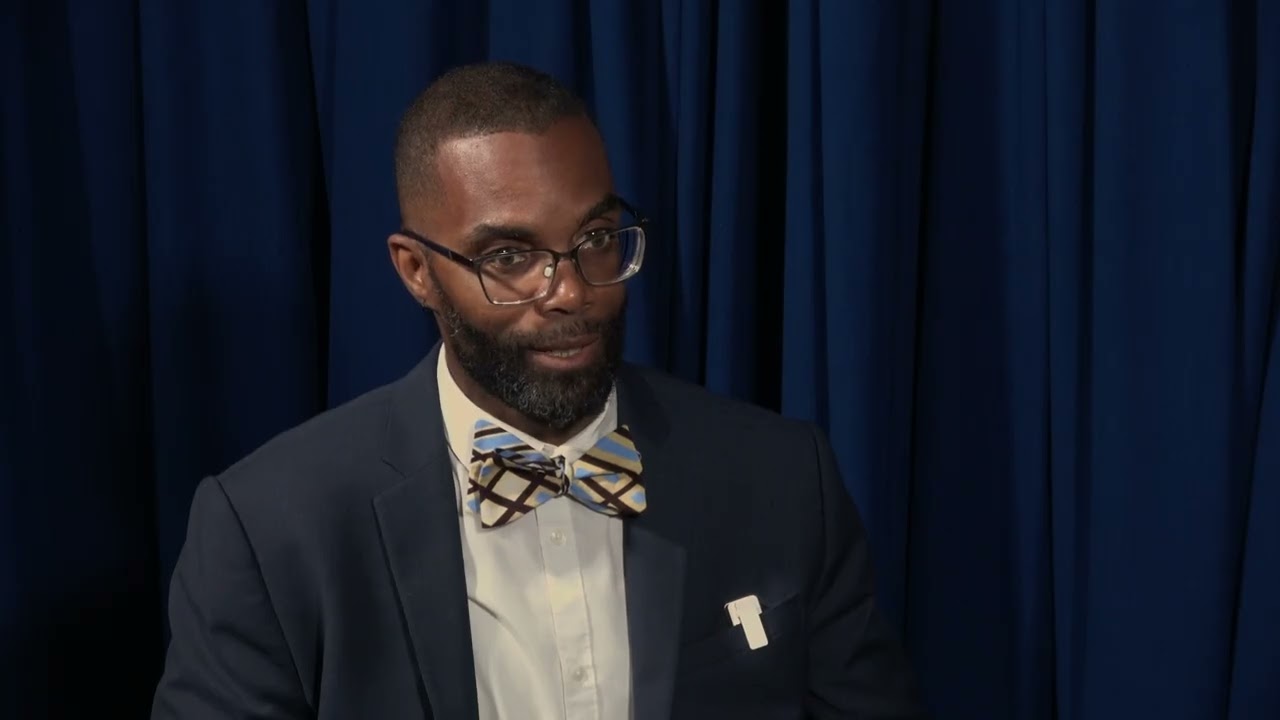
Sheren Sanders, PhD

Sheren Sanders is an Associate Professor and Program Manager in the Department of Political Science and Public Administration at Virginia State University in Petersburg, Virginia.
She has previously served as an Associate Professor and Director of Honors Programs at Alcorn State University in Mississippi. She holds a B.A. in History from Louisiana State University, an M.A. in Social Sciences and a Ph.D. in Public Policy and Urban Affairs from Southern University and A&M College.
As an academic historian, she has contributed articles to BlackPast.org and served as managing editor and contributor for the Encyclopedia of African Cultural Heritage in North America (SAGE, 2015). She also co-authored A Book of Readings (2014) with Linda R. Beito.
Her 2024–2025 HBCU Scholars Fellowship research focused on the Readjuster Party, a pivotal yet short-lived successful biracial coalition in Virginia in the post-Reconstruction era, examining how its promotion of Black political autonomy and biracial cooperation contributed to the eventual onset of Jim Crow. Through this fellowship, she helped shed light on these critical historical dynamics, offering deeper insights into the complexities of political and racial developments in Virginia.
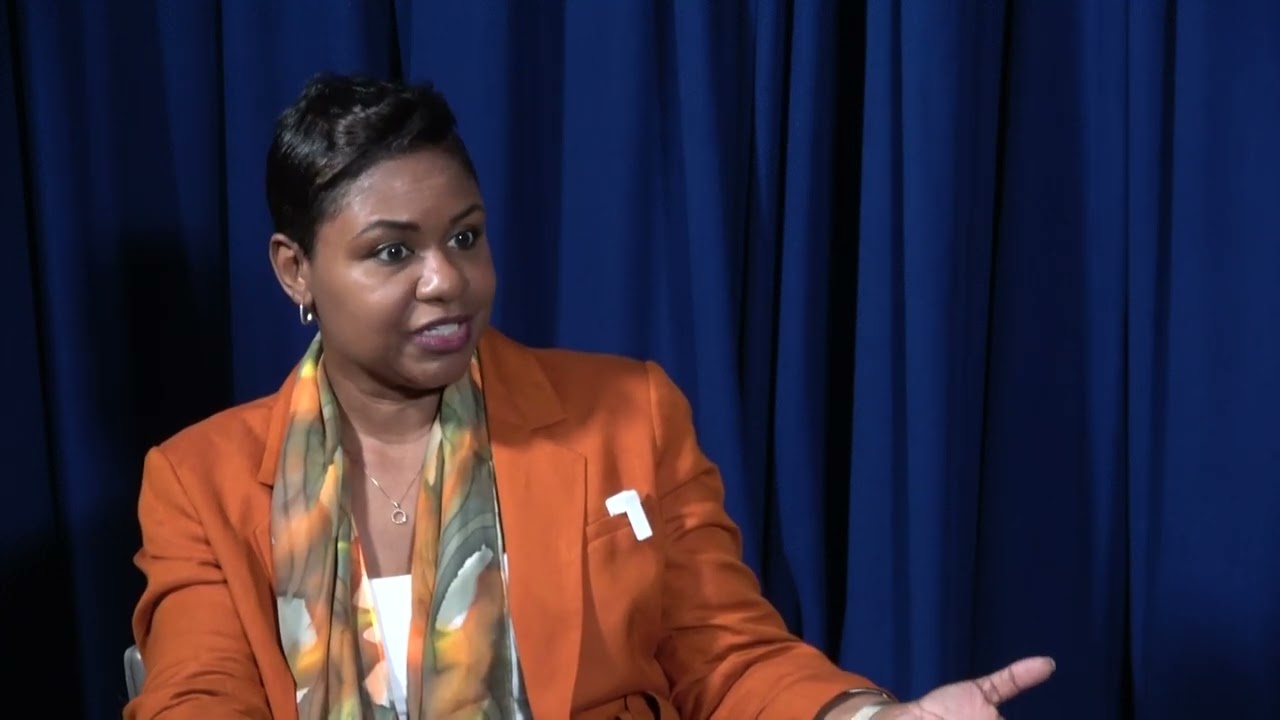
2023–2024
Latorial Faison, EdD

Latorial Faison is a veteran military spouse, mother, poet, author, and professor born and raised in rural Southampton County, VA. She is Assistant Professor of English at Virginia State University where she teaches Writing, African American Literature, and Poetry.
Faison completed a BA in English at the University of Virginia, a Master’s in English at Virginia Tech, and a doctoral degree in Education at Virginia State University. Faison has published over 15 books of poetry, including Mother to Son, the trilogy collection, 28 Days of Poetry Celebrating Black History, and historical research study on Black segregated education in Virginia, The Missed Education of the Negro. Her research focuses on the history and culture of African Americans, the implications of race, identity, gender, and culture, and the intersections of them all.
As a 2023–2024 HBCU Scholars Fellow, Faison collected oral history and written submissions, presented, and prepared a manuscript of oral and written reflections of the Virginia Black segregated education experience. Faison’s research resulted in the creation of original poetry on the 70th Anniversary of the legendary Brown vs. The Board of Education Supreme Court Case and decision as well as a forthcoming presentation at the Library of Virginia in Richmond.
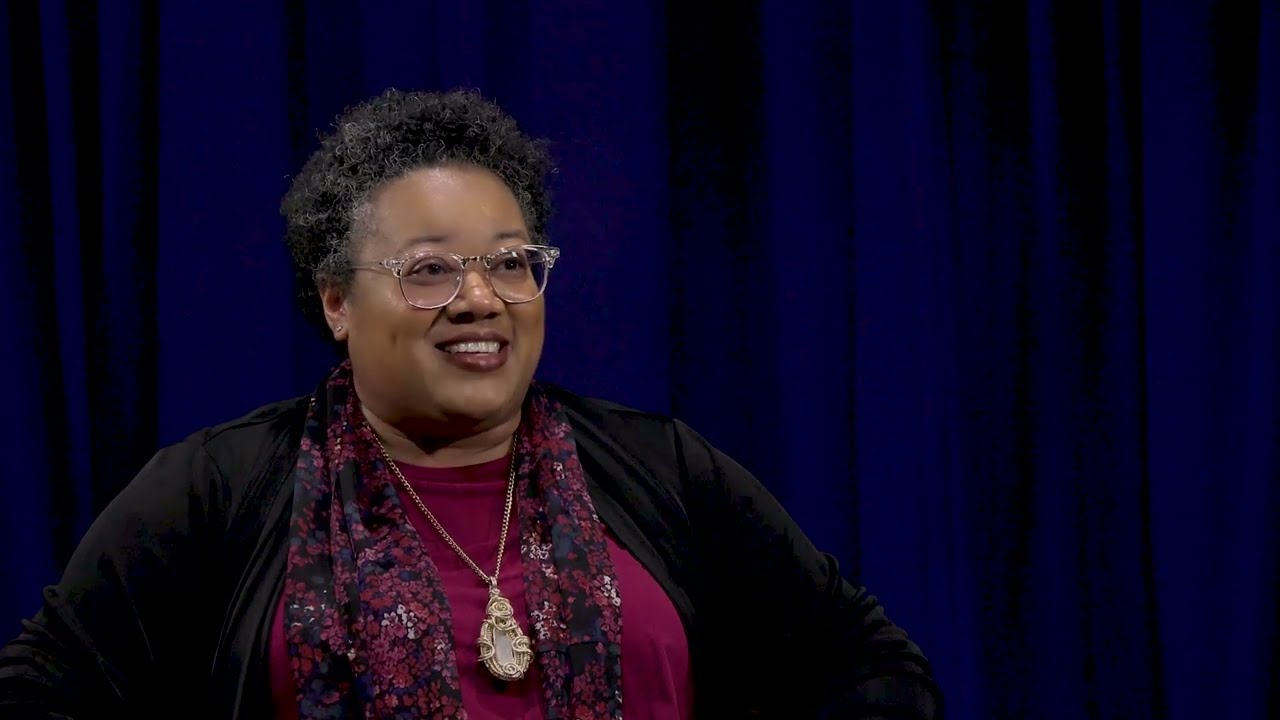
Brenton Boyd, PhD

Brenton Boyd is a scholar of Caribbean and African American literary, expressive, and religious cultures in the afterlife of slavery. He obtained a BA with highest honors at Hampton University and recently finished his doctoral studies in English and Women’s, Gender, and Sexuality Studies at Emory University.
As a 2023–2024 HBCU Scholars Fellow, Brenton completed his dissertation project: World-Wrecking: Afro-Eschatology and the Spirit of Performance. This work retheorizes the end of the world through the magico-religious cultures of the Greater Caribbean. Brenton will continue his research journey as an Assistant Professor of Black Studies at the University of Tampa, starting Fall 2024, and is currently turning his dissertation into a book manuscript.
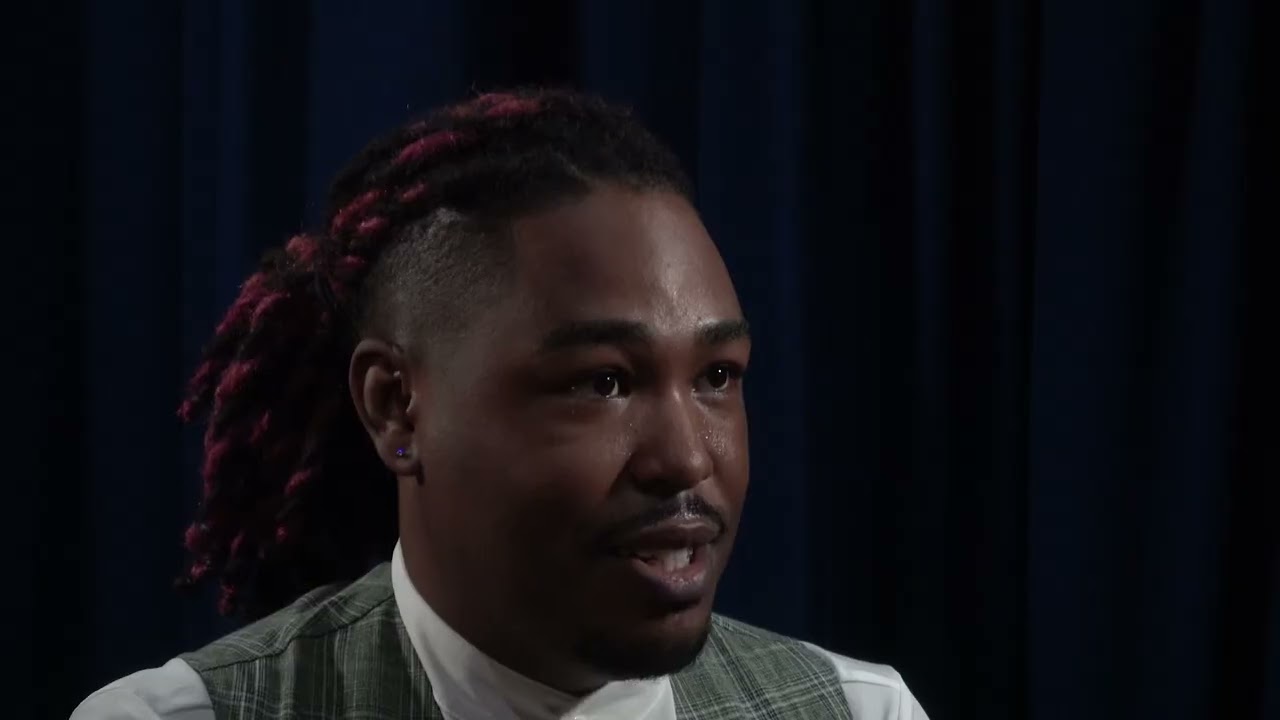
Scott Challener, PhD

Scott Challener is Assistant Professor and Chair of English & Foreign Languages at Hampton University, where he serves as the Campus Coordinator of the UNCF/Mellon Mays Undergraduate Research Fellowship and the Managing Editor of the Hampton Renaissance. Scott received his Ph.D. in Literatures in English from Rutgers University, his M.F.A. in Poetry from Warren Wilson College’s Program for Writers, and his M.A. in Spanish from Middlebury College.
As a 2023–2024 HBCU Scholars Fellow, he worked toward the completion and revision of his manuscript-in-progress, Translation Is Remediation: The Poetry of the Americas from the Mimeograph to the Platform, on the creative power of translation in the postwar poetry of the Americas. During the Fellowship, he completed two projects: an essay, drawn from the final chapter of his manuscript, which will appear in Expressive Networks: Poetry and Platform Cultures, edited by Matthew Kilbane (Amherst College Press); and a folio of E. Ethelbert Miller’s work, which will appear in Poetry magazine.
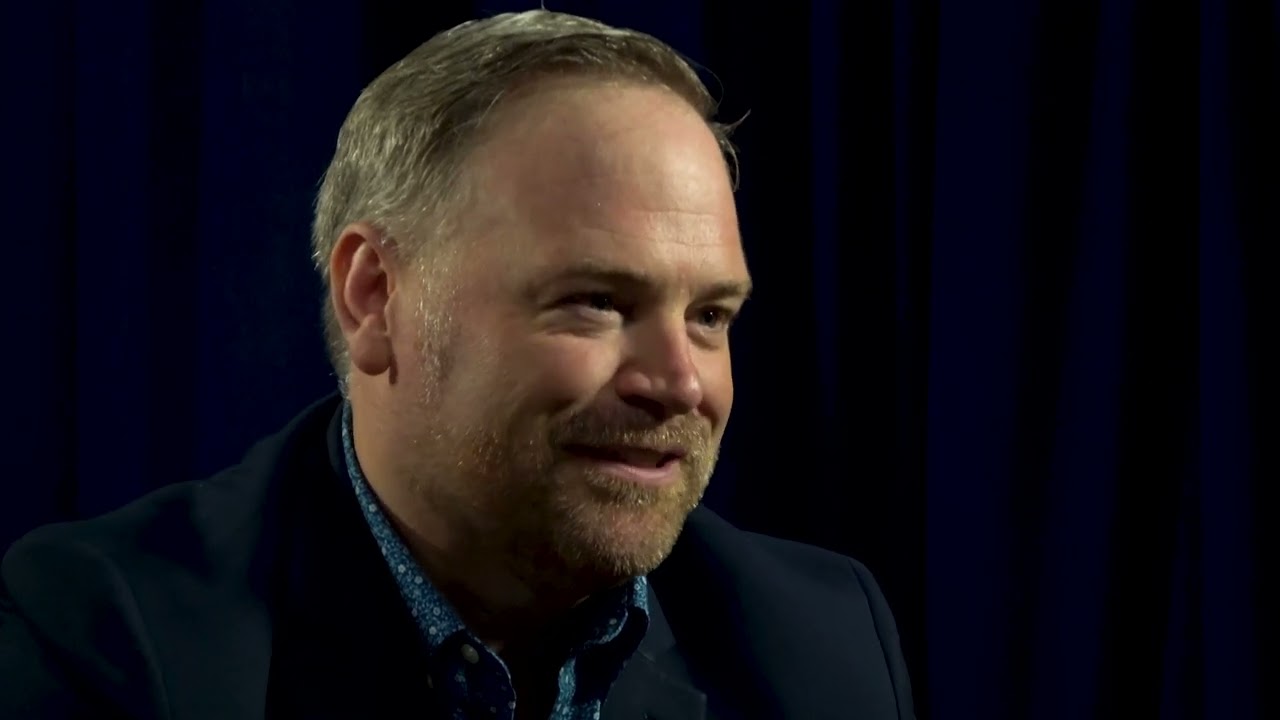
Bianca Jackson, DMA

Bianca Jackson is Associate Professor of Music and Voice Area Coordinator at Alcorn State University. Previous appointments include Associate Professor of Music at Norfolk State University. Jackson is a coloratura soprano with over twenty years of experience in African American, classical, sacred, and contemporary music genres and has performed across the U.S. and in Italy. She has earned advanced degrees from The University of Texas at Austin, The University of Louisiana at Monroe, and Tougaloo College.
Jackson has a lifelong investment to express Black creativity, performing and researching folk, operatic, classical, and contemporary vocal music. Jackson’s 2023–2024 HBCU Scholars Fellowship project, Black Cultural Trauma in Selected Vocal Works of Composers: Price, Still, Smith Moore, and Bonds surveys selected vocal music with focus on themes expressing culturally traumatic experiences of being Black. Jackson’s research considers how the selected Black classical composers challenged the status quo by asserting Blackness and transcending trauma. Also included is the underacknowledged role of HBCUs.
Through the fellowship, Jackson has presented her research at conferences such as Bethune-Cookman University’s 2024 Zora Neale Hurston Conference, the National Association of Teachers of Singers (NATS) Mississippi Conference at The University of Mississippi, and artist-in-residence at the University of Louisiana at Monroe.
2022–2023
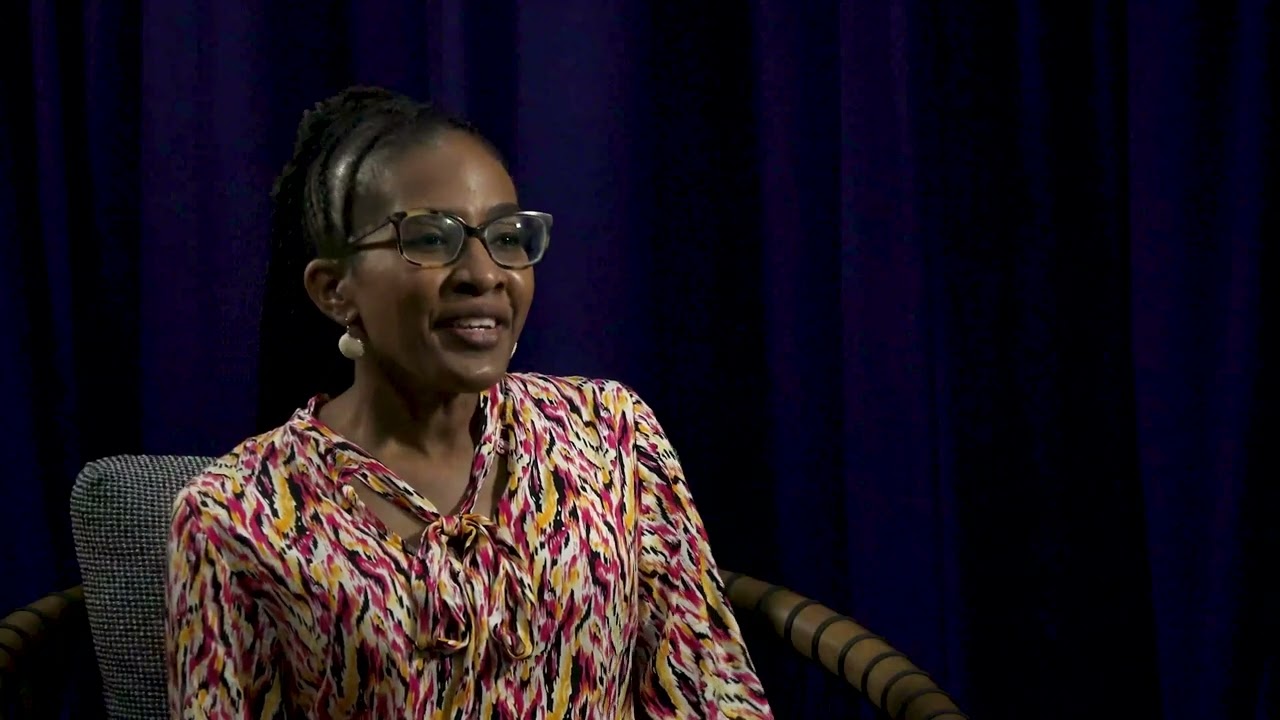
Ima Hicks, MA

Ima Hicks is Assistant Professor in the Department of Humanities at Virginia Union University where she teaches French and World Literature. She has degrees from Oberlin College (B.A.) and Georgetown University (M.A.) and her primary areas of interest are Postcolonial Francophone Literature and Francophone Women’s Narratives.
She has authored numerous articles, including the forthcoming “Traces Between the Rewriting of History and the Writing of Memory: Slavery and Feminine Resistance in Évelyne Trouillot’s The Infamous Rosalie” (Journal of Black Studies) — the result of her research as a 2022–2023 HBCU Scholars Fellow.
Ms. Hicks’s research on enslaved women’s agency and subjectivity in a world of racial oppression and gender violence in pre-revolutionary Haiti contrasts with the exclusion of women from official histories of the Haitian Revolution. As such, her work also touches upon the paradox that still plagues Haiti — the exclusion of women from the wholly masculine realms of state politics and citizenship — and explores the intersection of traditional humanities disciplines with public humanities issues such as equity concerns and social disparity.
Derrick Lanois, PhD

Derrick Lanois is Assistant Professor of African American History and Studies at Norfolk State University. He considers himself a southern griot after learning the art of storytelling from his mother that was supported by his graduate majors in Journalism, Documentary Expressions, and African American History.
Derrick received his second master’s in journalism with a concentration in multimedia journalism at the University of Memphis. Derrick received a Ph.D. at Georgia State University in History focused on African Americans since enslavement and their institutions and culture.
As a 2022–2023 HBCU Scholars Fellow, he researched and expanded his scholarship on Prince Hall Affiliated Freemasonry in the South and was able to complete his book proposal. In May 2024, he is the founder and Executive Director of the Southern Griot, a nonprofit with the mission to collect, archive, and disseminate Black stories of the South. His research interests include nineteenth and twentieth century African American history, African American institutions — especially fraternalism, the Black intellectual tradition, social movements, the Black Southern Aesthetic and more.
Janira Teague, PhD

Janira Teague is a teacher-scholar of African American history with a global context. She is Assistant Professor of history at Morehouse College, where she has created courses on women and gender and developed a study abroad program based on her Fulbright-Hayes experience in Durban, South Africa. Previous appointments include Assistant Professor of African American history at Norfolk State University.
As a 2022–2023 HBCU Scholars Fellow, she completed a book proposal under review by a leading academic press and advancing her research on America’s Great Migration and Black interethnic politics in early 20th century New York City. Her work is published in the Journal of African American History and the Database of Black Women’s Suffrages. Professor Teague earned her M.A. in African American Studies and her Ph.D. in history from the University of California, Los Angeles.
More Information
For more information or questions contact Yosef Medina, director of Strategic Initiatives, at ymedina@virginia.edu.


